Traditional vs. Bottled: Why Making Your Own Teriyaki Sauce Is a Game Changer
For many home cooks, a bottle of teriyaki sauce is a pantry staple, a quick fix for weeknight dinners, or a convenient marinade. It’s undeniably easy to reach for. But have you ever considered the profound difference a homemade teriyaki sauce recipe can make? Beyond mere convenience, there's a world of flavor, control, and culinary satisfaction waiting to be discovered when you choose to craft this Japanese staple from scratch. Let's delve into why making your own teriyaki sauce isn't just a kitchen endeavor, but a delicious upgrade to your cooking repertoire.
Unpacking the Essence of Teriyaki: Tradition vs. Commercial Convenience
To truly appreciate the homemade difference, it's essential to understand what teriyaki truly is. In Japanese, "teriyaki" literally translates to "glossy broil" (teri meaning gloss, and yaki meaning broil or grill). This refers not just to a sauce, but to the traditional cooking method itself: glazing food, typically grilled or broiled, with a rich, shimmering mixture.
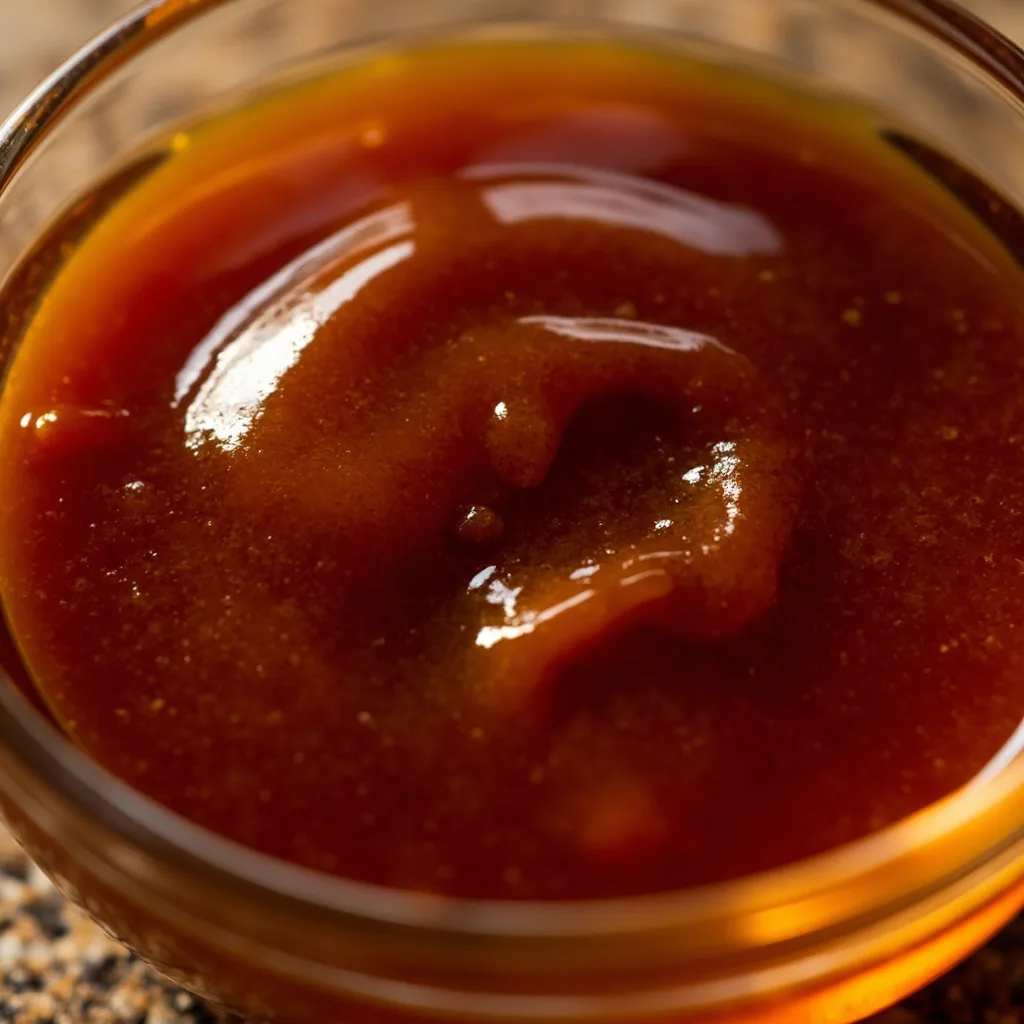
The foundation of an authentic teriyaki sauce is elegantly simple: a harmonious blend of soy sauce, mirin (sweet cooking sake), and sugar. While it’s possible to combine just soy sauce and sugar, the inclusion of mirin is crucial. It imparts a unique depth of flavor and, most importantly, provides that characteristic, beautiful luster that defines the "teri" in teriyaki. The result is a sauce that's delightfully sweet, tangy, and boasts a subtle stickiness, perfect for coating proteins and vegetables alike.
Here's where the stark contrast with many bottled varieties begins: traditional Japanese teriyaki sauce typically has a thin, pourable consistency. In stark opposition, the majority of store-bought teriyaki sauces are noticeably thick and viscous, often due to the addition of cornstarch or other thickeners. While some prefer a thicker sauce for coating, this texture often sacrifices the delicate balance and authentic feel of a true teriyaki. If you do prefer a thicker sauce, a homemade Unlock Restaurant-Style Teriyaki: Quick & Easy Homemade Sauce can be easily reduced or thickened naturally, without resorting to artificial additives.
The Unbeatable Advantages of a Homemade Teriyaki Sauce Recipe
Deciding to make your own teriyaki sauce opens up a world of benefits that bottled versions simply can't match. It’s an empowering step that elevates your dishes and gives you complete mastery over your food.
Unparalleled Control Over Ingredients and Allergens
Perhaps the most compelling reason to make your own teriyaki is the absolute control you gain over every single ingredient. This is particularly vital for individuals with food allergies or dietary restrictions. While many teriyaki sauces are naturally nut-free, the peace of mind that comes from knowing exactly what goes into your meal is invaluable. Commercial manufacturers often do not disclose information about cross-contamination or the presence of trace allergens, leaving consumers to use their products "at their own risk."
When you're preparing a homemade teriyaki sauce recipe, you can specifically choose allergy-safe components. This extends beyond top-9 allergens to include sensitivities to ingredients like ginger, garlic, or even specific brands of soy sauce. You can also carefully monitor and adjust the levels of salt and sugar to suit your individual health needs or taste preferences. Many bottled sauces rely on high fructose corn syrup (HFCS) for sweetness, which not only tastes different from natural sugar but also comes with its own set of dietary considerations. Crafting your own allows you to use your preferred sweetener and quantity, ensuring a cleaner, more personalized flavor profile.
For more detailed guidance on customizing for dietary needs, explore Master Allergy-Safe Teriyaki: Customize Flavor & Ingredients.
Customizing Flavor to Your Exact Liking
A great teriyaki sauce is a balance of sweet, savory, and tangy. When you make it yourself, you're the chef in charge of this delicate equilibrium. Do you prefer it sweeter? Add a touch more sugar. A bit more tang? A hint of rice vinegar can brighten it. The depth of flavor can also be dramatically influenced by optional additions like ginger and garlic.
The preparation of these aromatics offers another layer of customization:
- For a mild, subtle ginger and garlic essence, slice them into larger pieces.
- For a bolder, more pronounced kick, finely chop or mince them.
Pantry Staples & Speedy Weeknight Meals
Despite what some might think, making teriyaki sauce from scratch is surprisingly easy and quick. The core ingredients—soy sauce, mirin, and sugar—are common pantry staples in many homes. This means that if you have some protein (like chicken or shrimp) and vegetables on hand, along with these sauce components, a delicious, restaurant-quality dinner can come together in a flash, even on the busiest weeknights. You don't need a lot of fancy equipment or advanced culinary skills; just a few minutes of simmering is usually all it takes to transform simple ingredients into something extraordinary.
The Hidden Costs of Bottled Teriyaki: Beyond Convenience
While bottled teriyaki sauce offers undeniable convenience, it often comes with a trade-off. As mentioned, the lack of transparency regarding allergens is a significant concern for many. Beyond that, many commercial brands contain preservatives, artificial flavors, and excessive amounts of sodium and sugar, often in the form of high fructose corn syrup. These additives can mask the true, nuanced flavor of authentic teriyaki, leading to a sauce that tastes overly sweet, salty, or simply generic. The texture, often artificially thickened with cornstarch, also deviates significantly from the traditional thin, gleaming glaze.
Choosing a bottled sauce means relinquishing control over these factors, potentially impacting both the taste and nutritional value of your meal. While they serve a purpose in a pinch, understanding these compromises highlights the significant advantages of a homemade alternative.
Crafting Your Signature Teriyaki Sauce: Tips for Success
Ready to embark on your homemade teriyaki journey? Here are some practical tips to ensure your sauce is a triumph:
- The Core Ratio: Experiment with the ratio of soy sauce, mirin, and sugar to find your perfect balance. A common starting point is a 1:1:1 ratio, but don't be afraid to adjust.
- Aromatics Are Key: Don't skip the optional ginger and garlic if you enjoy those flavors. Remember, slice for mild, chop for bold. You can also experiment with a hint of dried garlic or ginger powder for a more subtle, consistent flavor, or if you plan to store the sauce for longer periods.
- Achieving the Right Consistency: Traditional teriyaki is thin. To achieve this, simply simmer the ingredients until the sugar dissolves and the flavors meld, usually 3-5 minutes at a gentle boil. If you prefer a slightly thicker sauce without cornstarch, continue simmering on low-medium heat, allowing it to naturally reduce and concentrate for 10-15 minutes, stirring occasionally. It will thicken further as it cools.
- Taste and Adjust: The beauty of homemade is the ability to adjust on the fly. Taste your sauce as it simmers. Is it sweet enough? Tangy enough? A quick taste test can be as simple as dipping a piece of cooked chicken or a small spoonful onto plain rice.
- Versatility is VAST: Your homemade teriyaki isn't just for glazing. Use it as a marinade for chicken, beef, or fish; as a basting sauce during grilling or baking; or even as a flavorful dressing for salads or rice bowls. Its fresh, vibrant taste truly shines.
Conclusion: Embrace the Homemade Teriyaki Difference
Stepping away from the convenience of bottled teriyaki sauce and embracing a homemade teriyaki sauce recipe is a rewarding culinary decision. It's an opportunity to experience authentic flavors, customize your meals to perfection, and gain complete control over the ingredients you consume. The process is simple, the ingredients are accessible, and the resulting flavor is unparalleled. So, next time you're planning a meal that calls for teriyaki, consider taking those few extra minutes to craft your own. Your taste buds, your health, and your culinary confidence will thank you for it.
