Master Allergy-Safe Teriyaki: Customize Flavor & Ingredients
The unmistakable savory-sweet glaze of teriyaki has captivated palates worldwide, transforming simple proteins and vegetables into culinary masterpieces. But for those navigating food allergies or specific dietary needs, enjoying this classic Japanese flavor often comes with a side of apprehension. Store-bought sauces, while convenient, frequently harbor hidden allergens, unlisted ingredients, or simply don't align with personalized health goals. The good news? Crafting your own allergy-safe
teriyaki sauce recipe from scratch is not only simple but empowering, opening up a world of customizable flavor and peace of mind.
The Allure of Authentic Teriyaki: Beyond the Bottle
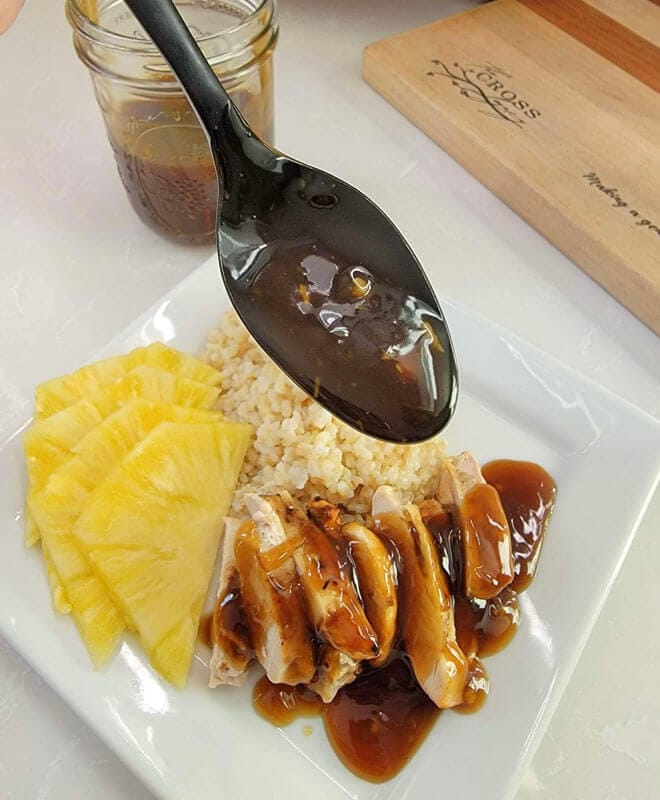
In Japanese, "teriyaki" literally translates to "glossy broil" (teri for glaze, yaki for grill or broil), referring to the traditional cooking method where food is repeatedly basted with a shimmering mixture of soy sauce, mirin, and sugar as it cooks. This process imparts a beautiful luster and a complex balance of sweet, tangy, and umami flavors. Traditional Japanese teriyaki sauce is typically thin, designed to penetrate and glaze, rather than thickly coat. This stands in stark contrast to many commercial bottled versions, which often rely on cornstarch or other thickeners to achieve a viscous, sticky consistency.
Creating your own teriyaki sauce recipe allows you to reconnect with this authentic experience. It’s an opportunity to appreciate the interplay of fundamental ingredients – soy sauce (or a suitable alternative), mirin (or a substitute), and sugar – which, when combined and gently cooked, create a deeply flavorful foundation. The elegance of homemade teriyaki lies in its simplicity and the vibrant, fresh taste that simply can't be replicated by mass-produced varieties laden with preservatives and artificial flavors. If you're curious to dive deeper into why making your own sauce is a game-changer, explore the differences between
Traditional vs. Bottled: Why Make Your Own Teriyaki Sauce?
Why Homemade is King for Allergy Management
For anyone managing food allergies or intolerances, the kitchen can feel like a minefield. Bottled sauces are notorious for vague labeling, "may contain" disclaimers, or even completely omitting information about trace allergens. This lack of transparency can make staples like teriyaki sauce a source of constant worry. This is precisely where making your own
teriyaki sauce recipe shines.
When you control every single ingredient, you eliminate the guesswork. Traditional teriyaki is inherently nut-free, making it a fantastic base for many. However, common top 9 allergens like soy (in soy sauce) and wheat (often in soy sauce) can be easily substituted with verified allergy-safe alternatives like tamari (gluten-free soy sauce) or coconut aminos (soy-free, gluten-free). Beyond the major allergens, customizability extends to ingredients like ginger and garlic, which some individuals may need to avoid.
The peace of mind that comes from knowing exactly what's in your food is invaluable. You're not just making a sauce; you're crafting a safe culinary experience. This control empowers you to adjust not only for allergens but also for dietary preferences, such as reducing sugar or sodium content, which is often excessive in commercial products. Gone are the days of scrutinizing minuscule labels or risking a reaction; with homemade, you're the master of your meal.
Crafting Your Signature Allergy-Safe Teriyaki Sauce Recipe
Developing your perfect
teriyaki sauce recipe is an exciting culinary journey. Here's how to build a customizable, allergy-safe version that hits all the right notes.
The Foundation: Core Ingredients
The heart of any teriyaki sauce lies in its fundamental components:
*
Soy Sauce (or Alternative): This provides the salty, umami depth. For gluten-free needs, opt for
tamari, which offers a similar flavor profile without wheat. For soy-free options,
coconut aminos are an excellent choice, providing a savory and slightly sweet base, though you may need to adjust sugar levels.
*
Mirin (Sweet Cooking Sake): Mirin is crucial for that characteristic tang and, as the name "teri" implies, the beautiful sheen it gives to the sauce and food. It’s a sweet rice wine with a lower alcohol content than sake. If you need an alcohol-free alternative, a mixture of rice vinegar and a touch more sugar, or even grape juice concentrate, can mimic some of its qualities. Simmering the sauce longer will also cook off any alcohol present.
*
Sugar: This balances the savory notes and contributes to the glaze. White granulated sugar is standard, but you can experiment with brown sugar for a deeper molasses note, or even natural sweeteners like maple syrup or agave, adjusting quantities to taste. Remember that commercially bottled sauces often use high-fructose corn syrup, which tastes sweeter, so you might need to slightly increase the sugar in your homemade version to match that perceived sweetness if that’s what you prefer.
*
Water or Broth: Often used to thin the sauce to your desired consistency, or to reduce the intensity of the other ingredients.
Flavor Enhancers & Customization
While the core ingredients create a delicious base, ginger and garlic are popular additions that elevate the flavor profile. How you prepare them significantly impacts the taste:
*
Ginger and Garlic: For a milder, background flavor, slice fresh ginger and garlic into large pieces and remove them before serving. For a bolder, more pungent kick, finely mince or grate them directly into the sauce. Dried ground ginger and garlic are also excellent for extending shelf life and ensuring a consistent flavor batch after batch, especially if you don't use fresh ingredients frequently.
*
Other Additions: A splash of rice vinegar can enhance tanginess. A drizzle of toasted sesame oil adds a nutty aroma (ensure it's allergy-safe for sesame allergies). For a spicy kick, a dash of Sriracha or red pepper flakes can be incorporated.
Achieving Desired Consistency
As mentioned, traditional teriyaki is thin. If you prefer a thicker, stickier sauce, you can easily achieve this by whisking a cornstarch slurry (cornstarch mixed with an equal amount of cold water) into the simmering sauce. Add it gradually until your desired consistency is reached. Always double-check cornstarch brands for allergen cross-contamination if necessary.
Cooking Process & Storage
Making your sauce is straightforward:
1. Combine all liquid ingredients and sugar in a saucepan.
2. Add your chosen ginger and garlic (if using).
3. Bring the mixture to a boil over medium heat, stirring to dissolve the sugar.
4. Once boiling, reduce the heat to low-medium and simmer gently. For a quicker sauce, maintain medium heat and cook for 3-5 minutes, stirring constantly until it slightly thickens. For a more hands-off approach, simmer for 10 minutes, stirring occasionally. The sauce will thicken slightly as it cools.
Once cooled, transfer your homemade teriyaki sauce to an airtight container and store it in the refrigerator. It typically lasts for 1-2 weeks. Using dried ginger and garlic can contribute to a longer shelf life compared to fresh ingredients.
Mastering this fundamental teriyaki sauce recipe empowers you to create delicious, restaurant-quality meals right in your own kitchen. For more insights on how to achieve that perfect restaurant-style glaze, be sure to check out
Unlock Restaurant-Style Teriyaki: Quick & Easy Homemade Sauce.
Allergy-Friendly Ingredient Swaps & Considerations
One of the greatest advantages of making your own teriyaki sauce is the freedom to substitute ingredients to fit almost any dietary need.
*
Gluten-Free: The easiest swap is using
tamari instead of regular soy sauce. Always ensure your mirin is also gluten-free, as some brands may contain wheat.
*
Soy-Free: Coconut aminos are your go-to here. They are naturally gluten-free and have a similar dark color and umami profile, though they are often sweeter, so you may need to reduce added sugar.
*
Sugar-Reduced/Sugar-Free: Adjust the amount of sugar to your preference, or use alternative sweeteners like erythritol, stevia, or monk fruit, keeping in mind they may alter the texture or "gloss" slightly.
*
Alcohol-Free: While mirin contains alcohol, most of it cooks off during simmering. If you prefer to avoid it entirely, you can substitute mirin with a combination of rice vinegar and a sweetener, or even white grape juice with a splash of rice vinegar.
*
Specific Allergy Avoidance: If you have allergies to ginger, garlic, or sesame, simply omit them. The core sauce of soy sauce, mirin, and sugar is delicious on its own.
By thoughtfully selecting your ingredients, you can ensure your teriyaki sauce is not just delicious but also entirely safe and enjoyable for everyone at your table.
Conclusion
Creating your own allergy-safe
teriyaki sauce recipe is a rewarding culinary endeavor that offers unparalleled control over ingredients, flavor, and texture. From the foundational blend of soy sauce, mirin, and sugar to the nuanced additions of ginger and garlic, every element can be customized to suit your dietary needs and taste preferences. This mastery over your ingredients not only banishes the worries associated with commercially prepared sauces but also elevates your home cooking, allowing you to enjoy the authentic, glossy broil of teriyaki with complete confidence and culinary creativity. So, gather your chosen ingredients, embrace the customization, and prepare to delight in a teriyaki experience that's perfectly tailored for you.